
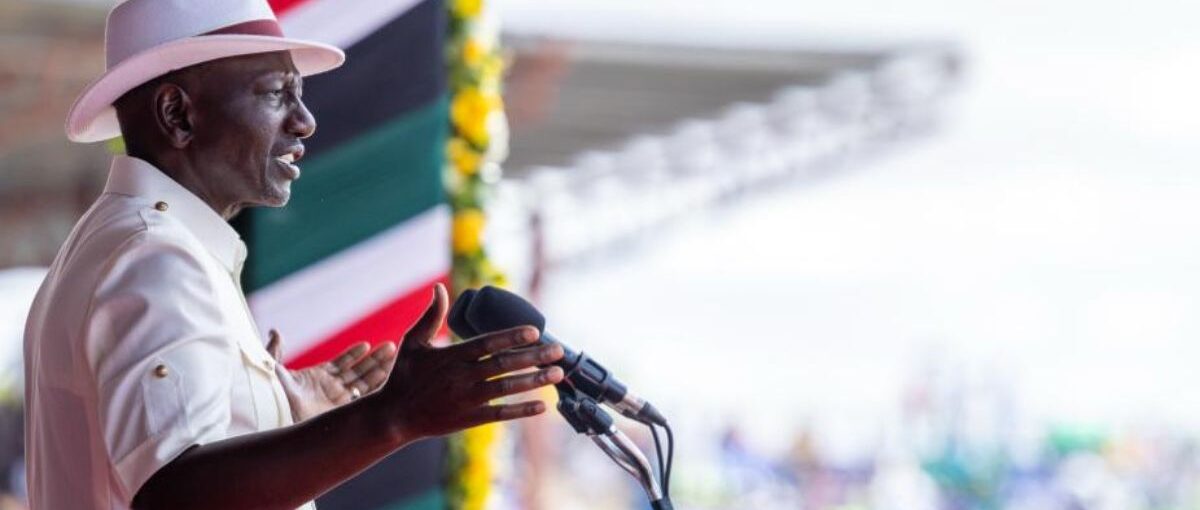
The Atheists In Kenya Society has taken note of reports that President William Ruto has directed the formal integration of Madrassa and Duksi education into Kenya’s national education framework.
While every Kenyan citizen enjoys the constitutional right to freedom of religion and belief, the state’s education system must remain guided by principles of inclusivity, equality, scientific inquiry, and religious neutrality. Any move to formally incorporate religious instruction into the national curriculum raises important constitutional and policy concerns that deserve careful public scrutiny.
Kenya is a diverse society comprising Christians, Muslims, adherents of traditional beliefs, atheists, agnostics, humanists, and many others. Public education should serve all citizens equally, regardless of their religious convictions. The role of state-funded education is to equip learners with critical thinking skills, scientific literacy, and practical knowledge necessary for participation in modern society—not to promote or institutionalize particular religious doctrines.
If the government chooses to expand the place of religious education within the public education system, questions inevitably arise regarding fairness and equal treatment. Will similar consideration be extended to non-religious worldviews such as humanism, secular ethics, and critical thinking? Will students who do not subscribe to any faith receive equal recognition and accommodation within the curriculum?
Religious education that is taught academically as part of comparative religion and cultural studies can contribute to understanding Kenya’s rich diversity. However, confessional religious instruction—designed to promote adherence to specific beliefs—belongs within families, places of worship, and voluntary religious institutions, not within the framework of a secular state education system.
Kenya’s Constitution guarantees freedom of conscience, religion, thought, belief, and opinion. These freedoms protect both religious and non-religious citizens. Public institutions must therefore avoid privileging one set of beliefs over others or creating the perception that certain religious identities enjoy special recognition from the state.
Public Participation is Key
The Atheists In Kenya Society urges the government to conduct broad public consultations before implementing any changes that affect the national curriculum. Educational policy should be guided by evidence-based practices, constitutional principles, and the long-term interests of all learners rather than the religious preferences of political leaders.
A modern education system should encourage students to ask questions, evaluate evidence, and develop independent thought. Kenya’s future depends on nurturing informed, critical, and innovative citizens capable of solving the complex challenges facing our nation. That objective is best served by strengthening secular, inclusive, and scientifically grounded education for all.
The Atheists In Kenya Society will continue to advocate for an education system that respects freedom of belief while maintaining the neutrality of public institutions and protecting the rights of every Kenyan, whether religious or non-religious.