
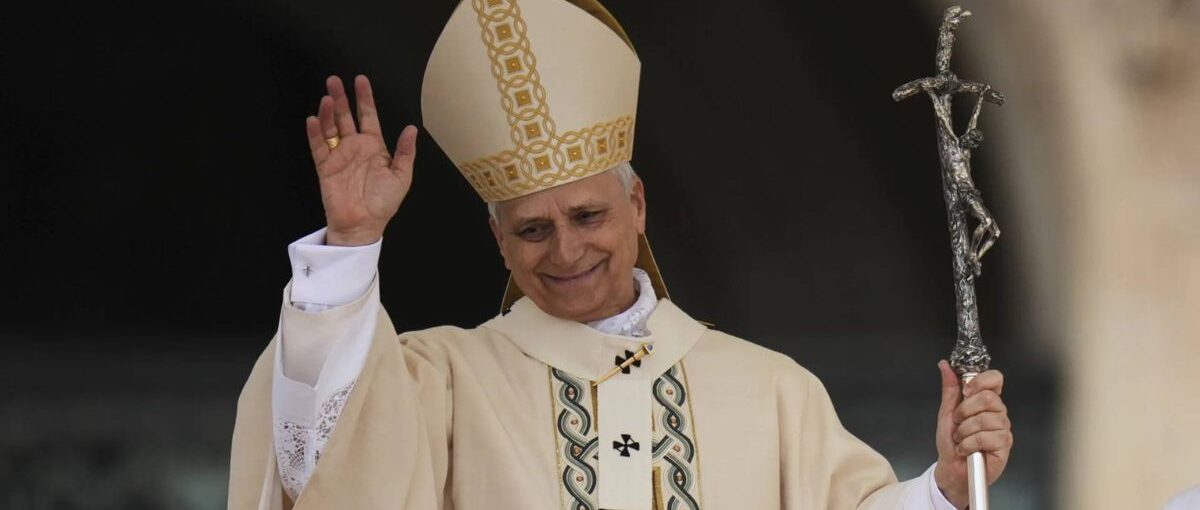
The election of Pope Leo XIV has already sparked global debate, but one of the most significant moments of his early papacy has been his acknowledgement of the Catholic Church’s historical involvement in slavery. In remarks that have attracted worldwide attention, Pope Leo expressed regret over the Holy See’s complicity in systems that dehumanized millions of Africans and enabled centuries of exploitation.
For many people across Africa, including non-religious communities in Kenya, the apology raises an important question: can institutions that benefited from slavery, colonialism, and religious domination truly reckon with their past?
The Catholic Church was not merely a passive observer during the transatlantic slave trade. Historical records show that church authorities, missionaries, and Christian kingdoms often sanctioned or benefited from slavery. Papal decrees issued centuries ago gave European powers moral justification to conquer foreign lands, enslave non-Christians, and expand colonial influence under the banner of spreading the faith. The legacy of these actions continues to shape African societies today.
Colonial administrations worked closely with missionary institutions to suppress indigenous cultures, weaken traditional belief systems, and impose religious authority over local populations. Christianity was frequently presented as a “civilizing mission,” while Africans were treated as inferior people in need of salvation and control.
An apology, while symbolically important, cannot erase centuries of suffering or exploitation. It also cannot undo the damage caused by religious institutions that accumulated wealth, land, and political influence during colonial rule. Genuine accountability requires more than carefully worded statements from powerful leaders. It requires transparency, education, and an honest confrontation with history. Many religious institutions prefer to emphasize charity work while avoiding deeper conversations about their historical role in oppression.
Yet acknowledging these truths is necessary if societies are to move toward genuine justice and equality. Silence or denial only protects institutional reputations at the expense of historical truth. For secularists and freethinkers, this moment is another reminder that no institution should be placed beyond criticism simply because it claims divine authority. Religious organizations are human institutions, shaped by politics, power, and economic interests like any other.
They must therefore be judged by the same moral standards applied to governments, corporations, and political movements. The apology by Pope Leo should encourage broader public discussion about the role religion has played in legitimizing oppression throughout history. It should also inspire Africans to critically examine the relationship between religion, colonialism, and political power on the continent. True progress begins when societies stop treating religious leaders as unquestionable moral authorities and start engaging with history honestly — even when that history is uncomfortable.
The future of Africa should not be built on guilt, superstition, or inherited religious dominance, but on reason, human dignity, critical thinking, and freedom of conscience.