
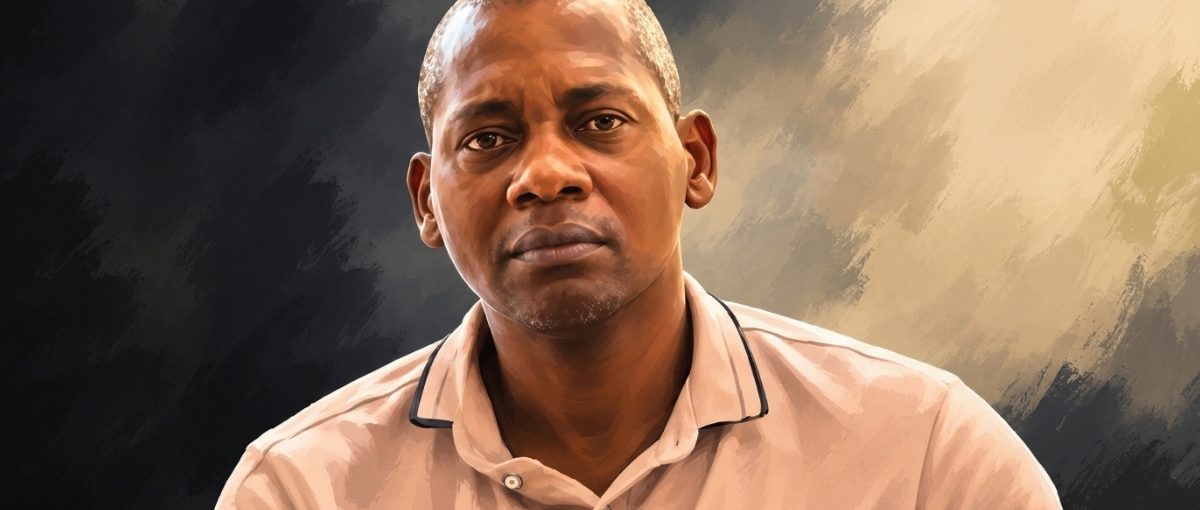
The Atheists In Kenya Society (AIK) welcomes the guilty verdict delivered by the courts in the case involving controversial cult leader Paul Mackenzie and the Shakahola tragedy. We view this development as an important step towards accountability for the devastating loss of life associated with the Shakahola religious cult.
The Shakahola tragedy exposed the grave dangers that can arise when religious authority is exploited, vulnerable people are manipulated, and unquestioning obedience to a spiritual leader is placed above human life, critical thinking, and personal safety.
For AIK, this case is a painful reminder that human life must always take precedence over religious beliefs, spiritual promises, and the authority of self-proclaimed prophets.
No Religious Leader Is Above the Law
Freedom of religion and belief is a fundamental human right. However, that freedom must never be used as a shield for criminal conduct, exploitation, abuse, or actions that endanger human life.
Religious leaders must be held to the same legal and ethical standards as everyone else. No pastor, prophet, preacher, or self-proclaimed messenger of God should be permitted to evade accountability by claiming divine authority.
The law must protect citizens from abuse, regardless of whether that abuse is committed in the name of religion, politics, culture, or any other ideology.
Critical Thinking Can Save Lives
The Shakahola tragedy underscores the importance of education, scientific literacy, critical thinking, and the freedom to question extraordinary claims.
People should be encouraged to examine religious teachings, question authority, seek evidence, and make informed decisions about their lives. No individual should be pressured to surrender their judgment, abandon their families, reject medical assistance, or put their life at risk because a religious leader claims to speak on behalf of God.
Atheists In Kenya Society maintains that claims of divine revelation must never place anyone beyond public scrutiny or the reach of the law.
We also urge the public to distinguish between the right to hold religious beliefs and the misuse of religion to manipulate or harm others. Millions of people practise their faith peacefully, but religious belief does not excuse criminal acts.
Justice for the Victims of Shakahola
Our thoughts remain with the victims of the Shakahola tragedy, the families who lost their loved ones, and all those whose lives were permanently affected.
We recognise the importance of due process, the independence of the judiciary, and the right of every accused person to a fair trial. Accountability must be based on evidence and the rule of law, not public anger or religious prejudice.
We call upon the relevant authorities to ensure that investigations, prosecutions, victim identification, and support for affected families continue wherever necessary. Those responsible for criminal acts must be held accountable through lawful proceedings.
We further urge the government to strengthen safeguards against dangerous cult practices, coercive religious exploitation, and the abuse of vulnerable individuals, while respecting constitutional freedoms.
Kenya Needs Accountability, Not Religious Impunity
The Shakahola tragedy should prompt Kenya to confront difficult questions about religious exploitation, the regulation of institutions that pose demonstrable risks to the public, and the responsibility of government agencies to protect citizens.
This is not a call to persecute religious people. It is a call to protect human beings.
A society that values human life must never tolerate the use of religion to justify preventable deaths, abuse, or the denial of individual autonomy.
Atheists In Kenya Society welcomes this verdict as an important development in the pursuit of justice and reiterates its commitment to freedom of thought, secular governance, human rights, accountability, and the protection of all Kenyans—religious and non-religious alike.